Recycling and Sustainability in Gardener Yeading
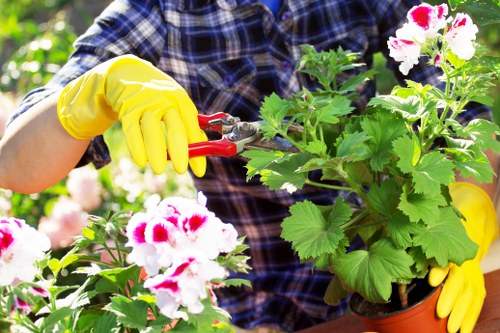 Gardener Yeading is committing to an ambitious, community-led approach to waste management. In the heart of the neighbourhood we are developing an eco-friendly waste disposal area that supports residents, small gardeners and local businesses with clear, convenient recycling options. The plan centres on practical daily actions: clear separation at source, frequent collection of organic material, and neighbourhood drop-off points that keep reusable goods circulating locally rather than becoming landfill.
Our strategy for the Gardener-Yeading locality aligns with wider borough goals and emphasises low-carbon logistics. By coordinating collection times and creating a mapped network of micro-depots, we reduce vehicle miles and speed up transfer to processing sites. This approach helps ensure the sustainable rubbish gardening area — whether it is household garden cuttings or small landscaping waste from community green spaces — is turned into compost or recovered as biomass rather than incinerated.
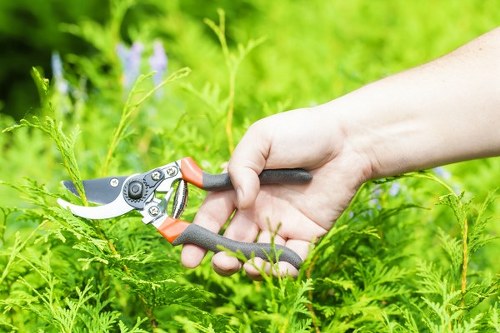 The borough’s approach to waste separation is practical and simple: separate food waste, garden and green waste, paper and card, glass, metal and plastics, and residual waste. Local separation hubs make it easy to follow these streams, and civic amenity spots and transfer stations accept larger items and mixed loads for onward processing. By reinforcing these habits in the Gardener Yeading community we aim to build a durable culture of reuse and recycling.
To give the plan a measurable aim, we have set a recycling percentage target of 65% by 2030. That target is ambitious but realistic when supported by community action, improved kerbside sorting, and better capture of garden and food waste. The target covers both household and green-space materials and is framed to include reuse activities — where items are repaired, refurbished or repurposed rather than processed as raw material.
Local transfer stations play a crucial role in meeting this goal. Strategic partnerships with nearby civic amenity sites and borough transfer points ensure that sorted materials are routed quickly to specialised facilities: composting sites for garden waste, anaerobic digestion for food waste, and material recovery facilities that improve the quality of recyclables. These transfer nodes act as the backbone of an efficient eco-friendly waste disposal area.
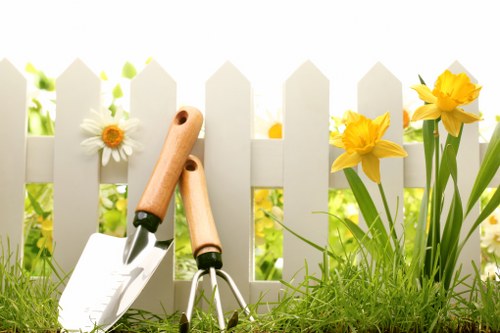 The sustainable rubbish gardening area also benefits from community sharing schemes and reuse networks. We encourage residents to donate plant pots, soil sacks, tools and surplus plants to local reuse hubs and charity shops. By redirecting functional items to community projects and charitable partners we keep value in the local economy and reduce the energy footprint associated with manufacturing new goods.
 Partnerships with charities are central to our model. Instead of sending usable furniture, textiles and household items to skip sites, Gardener Yeading works with local charities and social enterprises to collect, refurbish and redistribute goods. Collaborations with food redistribution charities also capture surplus from community events and local allotments, routing edible produce to those in need and cutting food waste.
To deliver collections and transfers more sustainably we are rolling out low-carbon vans and using electric vehicles for short local routes. The fleet mix includes battery-electric vans for kerbside pickups, and hybrid or low-emission vehicles for longer transfers. These low-carbon vans reduce noise and tailpipe emissions in residential streets and help the neighbourhood meet broader carbon reduction targets while maintaining reliable service.
The Gardener Yeading approach to materials recovery emphasises practical actions everyone can follow: a simple, visible set of collection rules, clear labelling at the eco-friendly waste disposal area, and frequent pop-up information days that teach residents how to sort garden and household waste. Strong signage, colour-coded bins and community volunteers help reinforce the borough’s waste separation guidelines and increase recycling capture rates.
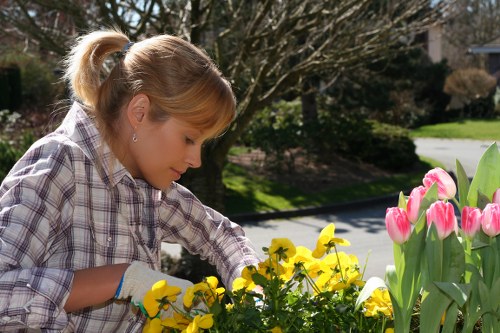
How you can contribute to a sustainable rubbish gardening area
Together we can make small changes that add up to a big impact. The community action plan includes:- Properly separate food, garden, dry recyclables and residual waste at home;
- Bring oversized garden waste to designated transfer stations or arrange community collection days;
- Donate reusable items to partnered charities rather than disposing of them; many items can be refurbished for reuse;
- Support electric or low-carbon collection days by choosing consolidated collection slots where possible;
- Volunteer for neighbourhood composting projects and tool-sharing libraries to reduce single-use purchasing.